

Pain and Injury - A Perspective
My approach to pain and injury: there are three main entry points - 1) understanding the modern pain science, 2) learning about tissue adaptation, & 3) “Know Thyself”.
Modern Pain Science
Pain is not an input to the brain; it is an OUTPUT. (There is no such thing as a “pain receptor” in the body). Pain is a prediction of threat to the body based on many inputs. In addition, there is no 1 to 1 relationship between tissue damage and pain (you can have pain and no tissue damage, or tissue damage but no pain)
Tissue Adaptation
Why is connective tissue (tendon, ligament, cartilage, menisci, bone, fascia) the main tissue type in the body to get damaged? Because connective tissue is the scaffolding of the body that transmits forces. Forces carry energy, and energy can exceed the integrity of the structure transmitting it.
But connective tissue is highly adaptive - there is a cytoskeleton in all connective tissue cells that transmits the vibrations of force through the cell membrane into the nucleus, to induce changes in genetic expression. In connective tissue, this results in changes in the proportions & kinds of collagen, elastin, & proteoglycans manufactured by the cell for structural support.
Know Thyself
“Know Thyself” - use the knowledge of tissue adaptation in conjunction with self-observation. We update our approach as more evidence & information comes in. This is fundamentally experiential. A simple formulaic arrangement will not work, & we assume responsibility for our recovery.
We let the evolution of the functionality that was lost dictate what we pursue. A shoulder tear doesn’t just need some banded external rotation… it needs a plan potentially working with isokinetics, 360 degree angles of strain, high volume, low volume, scapular stabilization, quick eccentrics, elasticity, etc.
Over the years, I’ve prepared articles, a whitepaper, and presentations, evolving this perspective. Pain/injury is so convoluted that it can’t be reduced to a straightforward narrative. The next best thing is a map, designating various entry points into the territory.
Curiosity and Hard Things
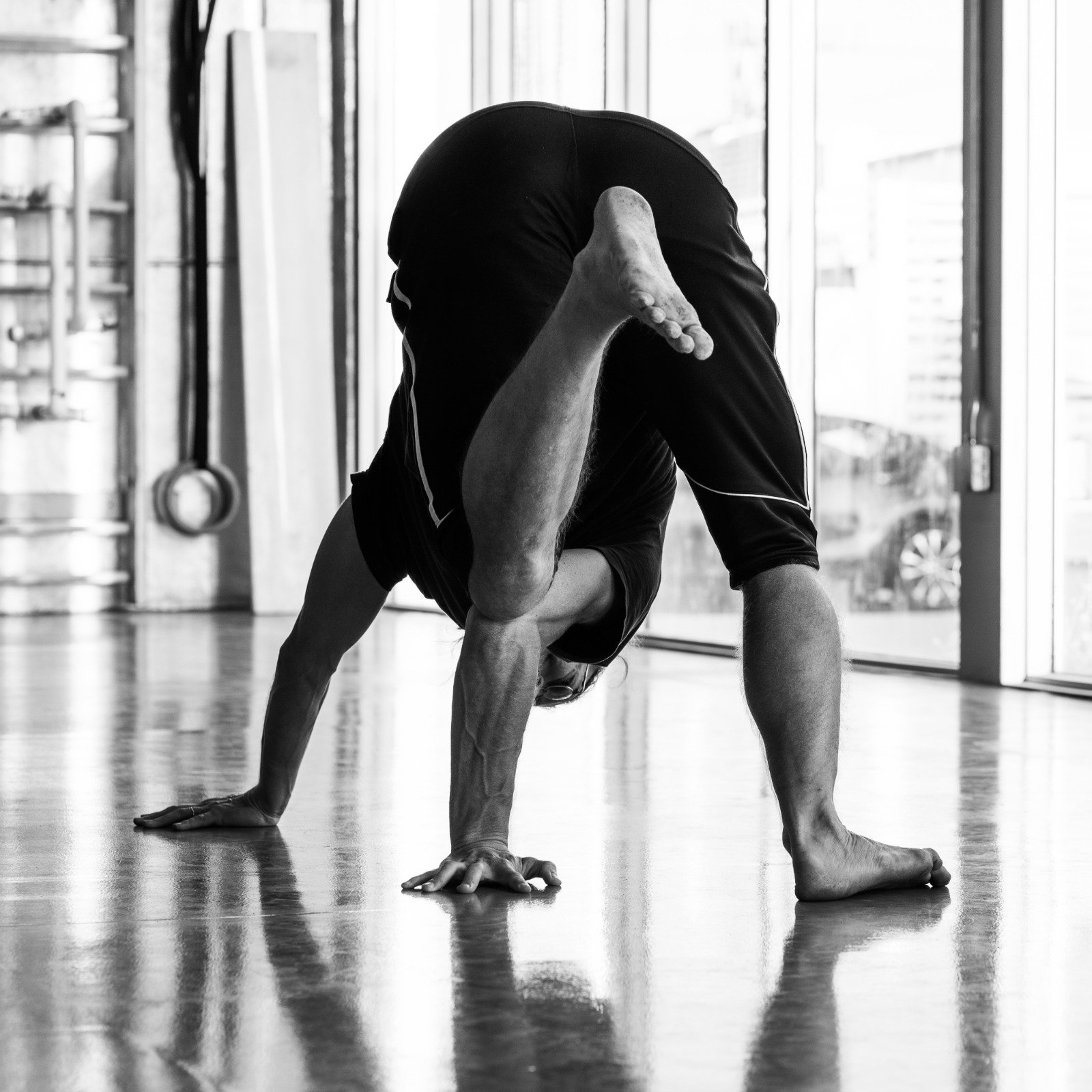
It is in the places we feel incapable that something gets developed. Discomfort is the home of transformation. Not just physical discomfort, but even that first impression: I don't even understand the nature of the thing before me. As Sonke Ahrens put it: "We have to choose between feeling smarter or becoming smarter".
But that doesn't mean the hard work must be hard to do (to paraphrase my productivity guru, Cal Newport): the process of learning that begins from a place of discomfort need not be "hard to do", in the sense of onerous.
How does a child learn to speak or walk, a seemingly impossible transformation?
Not through some grind.
They have a gift that brings levity - the gift of curiosity. Curiosity makes the seemingly impossible transformations not just inevitable, but prevents the kind of accumulation of psychospiritual detritus that a more uninspired approach necessarily begets.
Let curiosity drive the flywheel of your effort.
It does/not matter what you pick
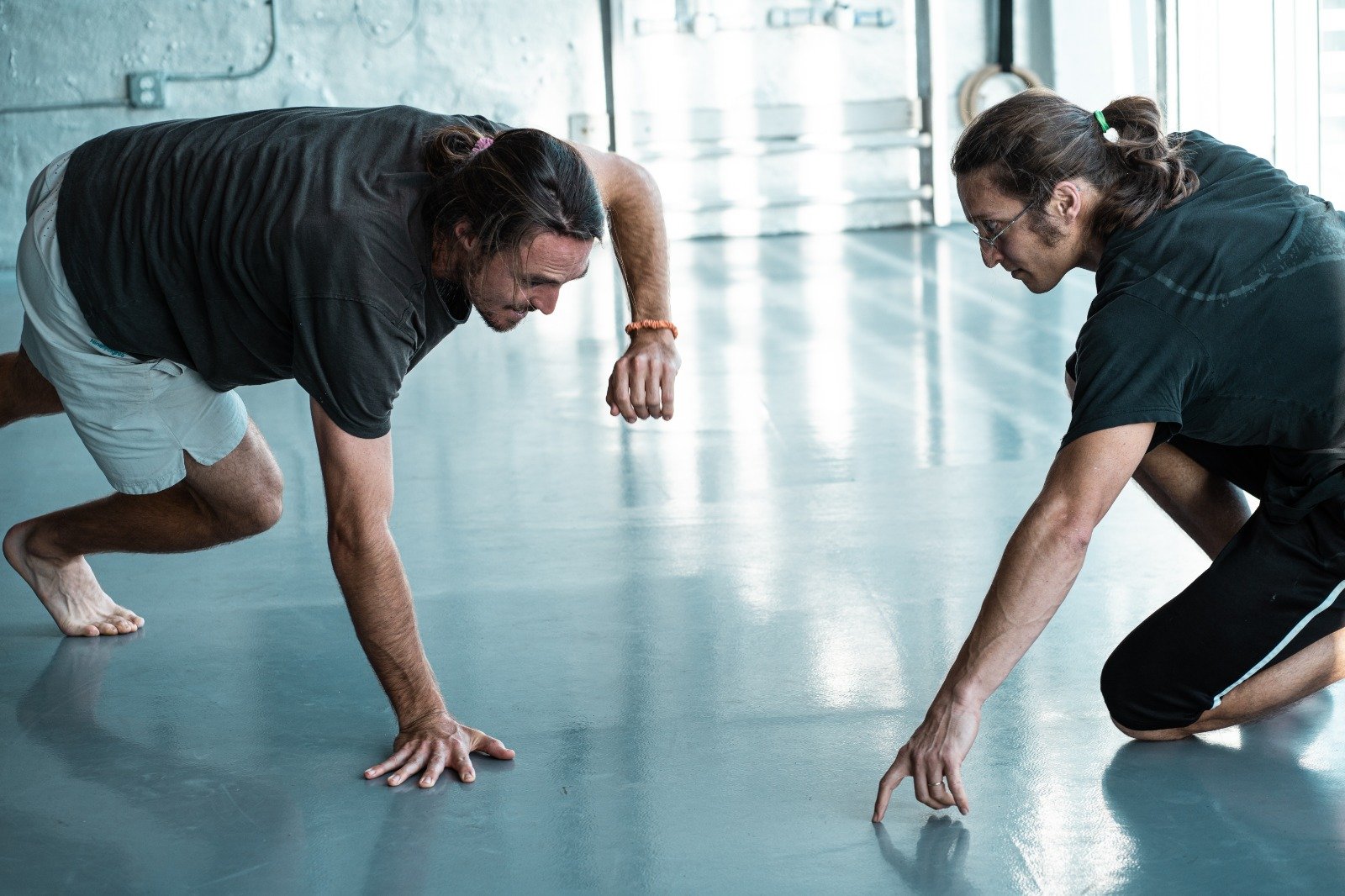
It doesn't matter what you pick.
Until you began picking. Because then, a trajectory has been carved out. Some things are now along your path, and some require walking backwards to get to. Now some options are revealed, and others eliminated, along the path of practice and growth and mastery.
So, in one sense, no, it doesn't matter what you pick. But now that we're here, it matters very much.
What is on your path, right now? (Not the one of your friend or peer... but your own)
Improvisation as Immersion
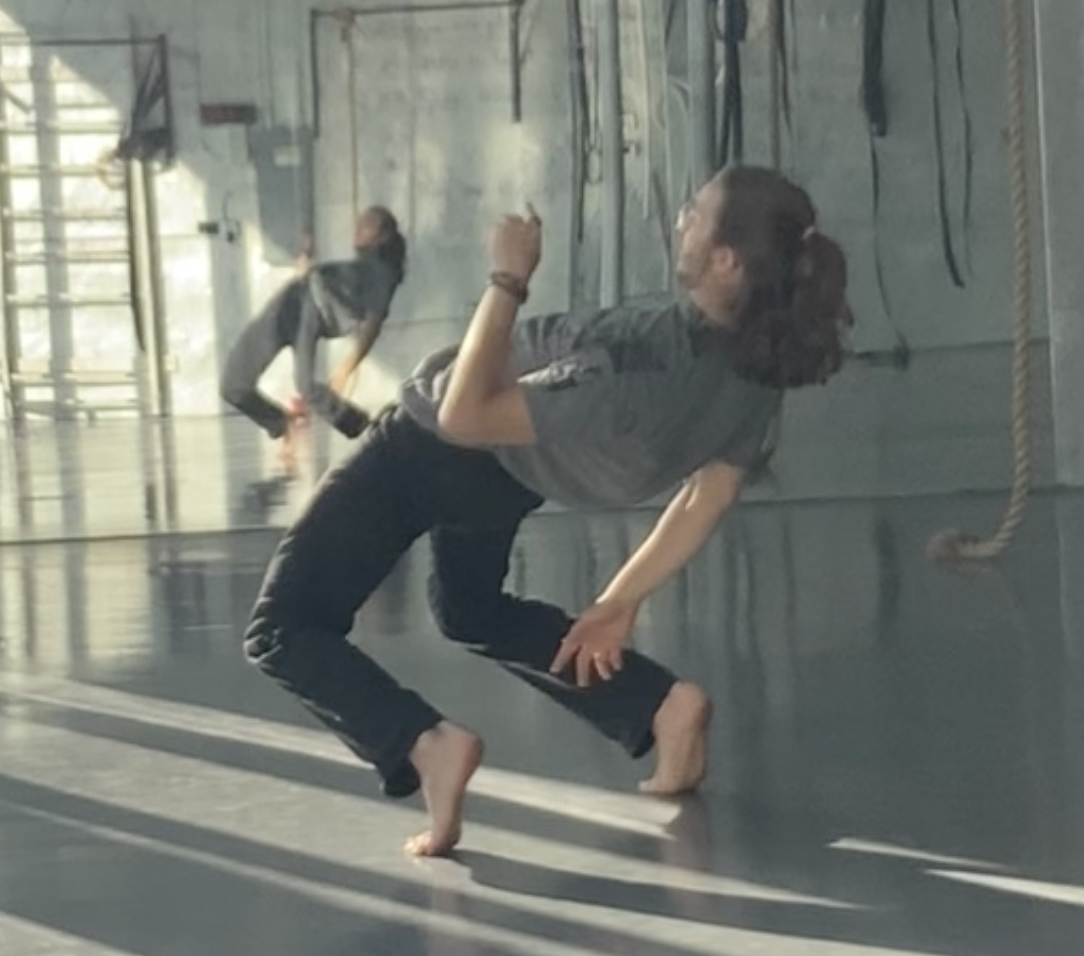
In "4000 weeks", Oliver Burkeman describes the observation that we have inadvertently begun to experience time as a "container", with activities then fitted to these containers. As a result, we lose the immersive quality that the pre-clock human lived in.
It's as if we breathe a different air from our not-so-distant ancestors. We don't notice, but there is a fundamental shift in our experience and lives.
But that immersive quality isn't lost; it's just hiding.