
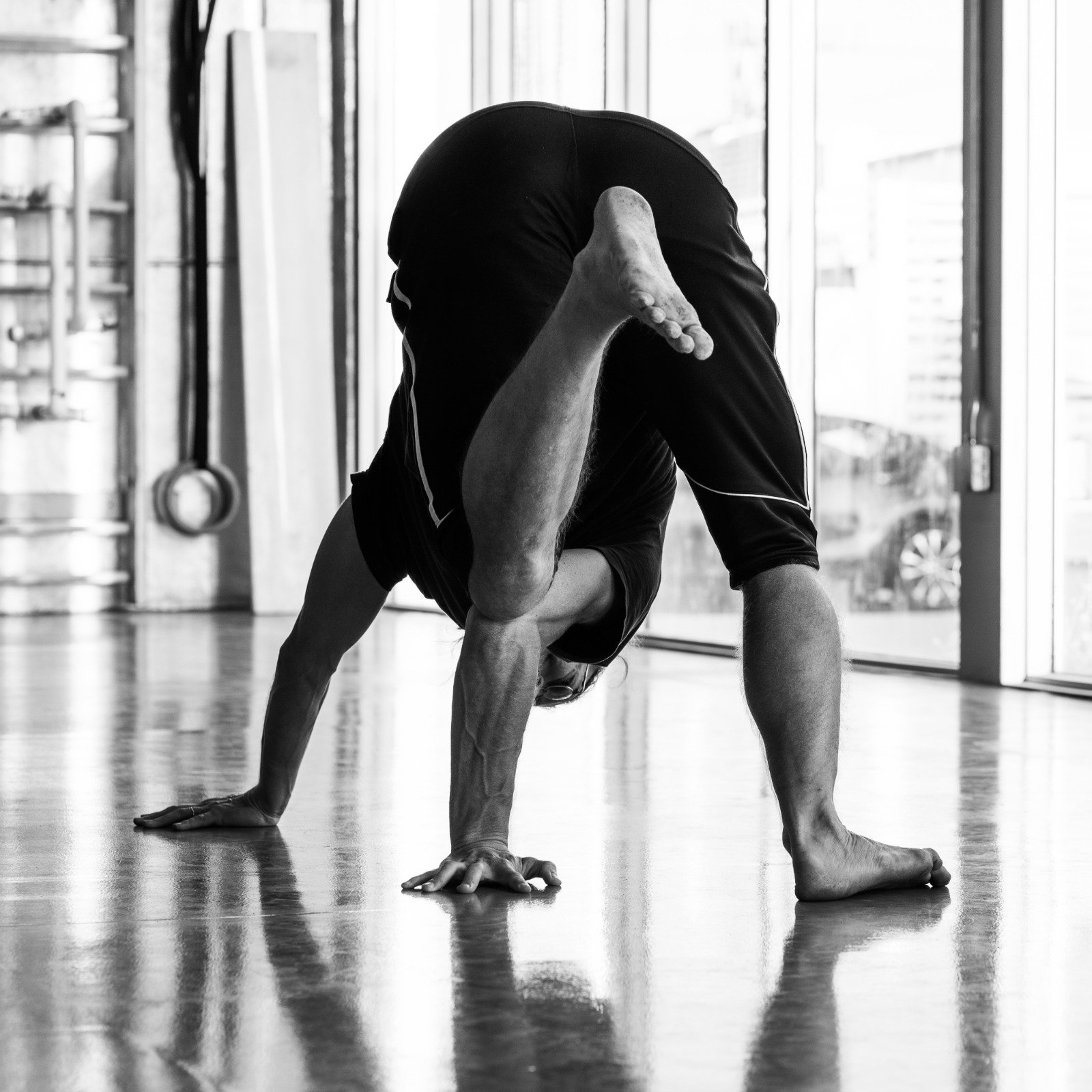
Curiosity and Hard Things
It is in the places we feel incapable that something gets developed. Discomfort is the home of transformation. Not just physical discomfort, but even that first impression: I don't even understand the nature of the thing before me. As Sonke Ahrens put it: "We have to choose between feeling smarter or becoming smarter".
But that doesn't mean the hard work must be hard to do (to paraphrase my productivity guru, Cal Newport): the process of learning that begins from a place of discomfort need not be "hard to do", in the sense of onerous.
How does a child learn to speak or walk, a seemingly impossible transformation?
Not through some grind.
They have a gift that brings levity - the gift of curiosity. Curiosity makes the seemingly impossible transformations not just inevitable, but prevents the kind of accumulation of psychospiritual detritus that a more uninspired approach necessarily begets.
Let curiosity drive the flywheel of your effort.
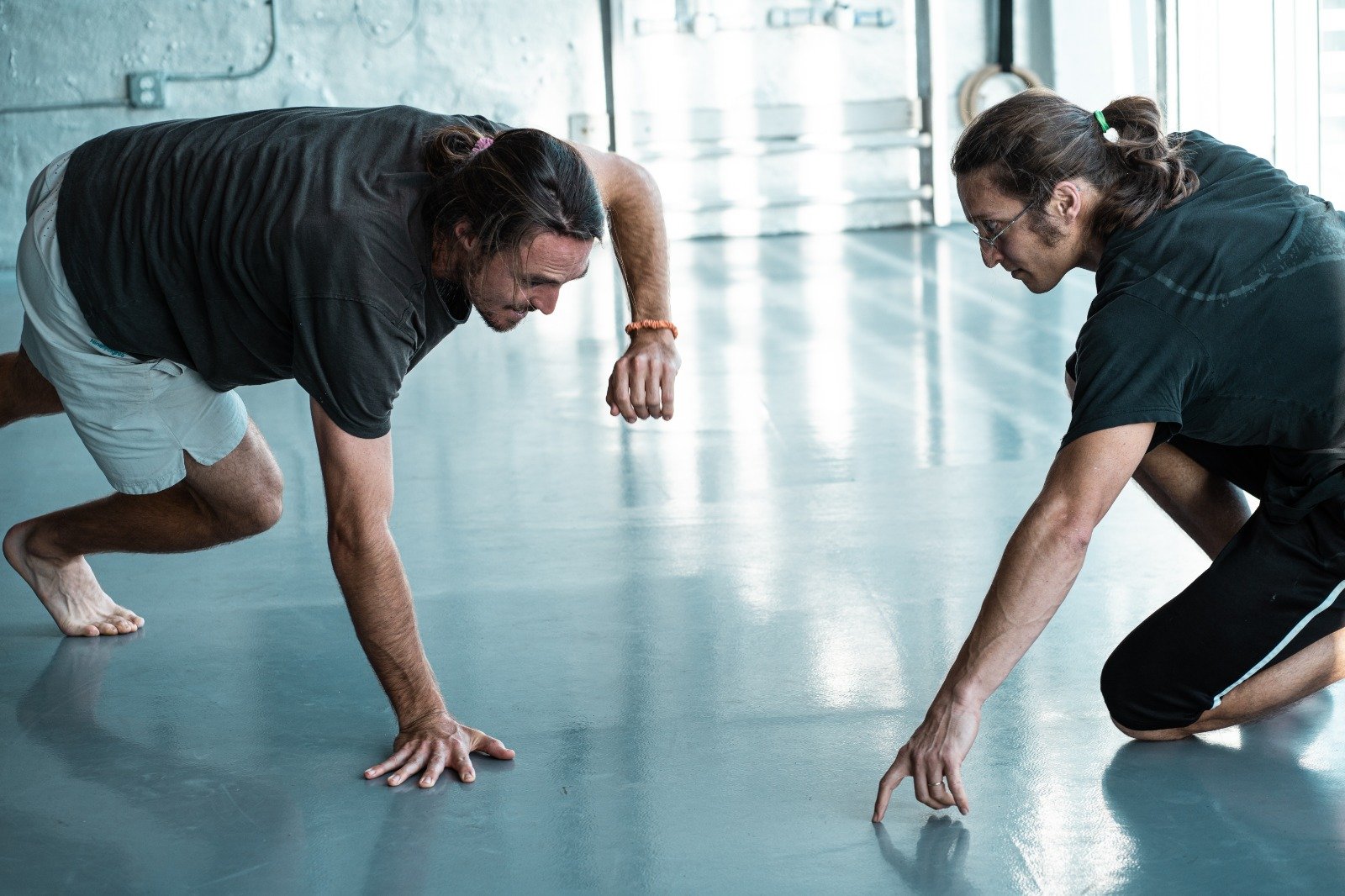
It does/not matter what you pick
It doesn't matter what you pick.
Until you began picking. Because then, a trajectory has been carved out. Some things are now along your path, and some require walking backwards to get to. Now some options are revealed, and others eliminated, along the path of practice and growth and mastery.
So, in one sense, no, it doesn't matter what you pick. But now that we're here, it matters very much.
What is on your path, right now? (Not the one of your friend or peer... but your own)
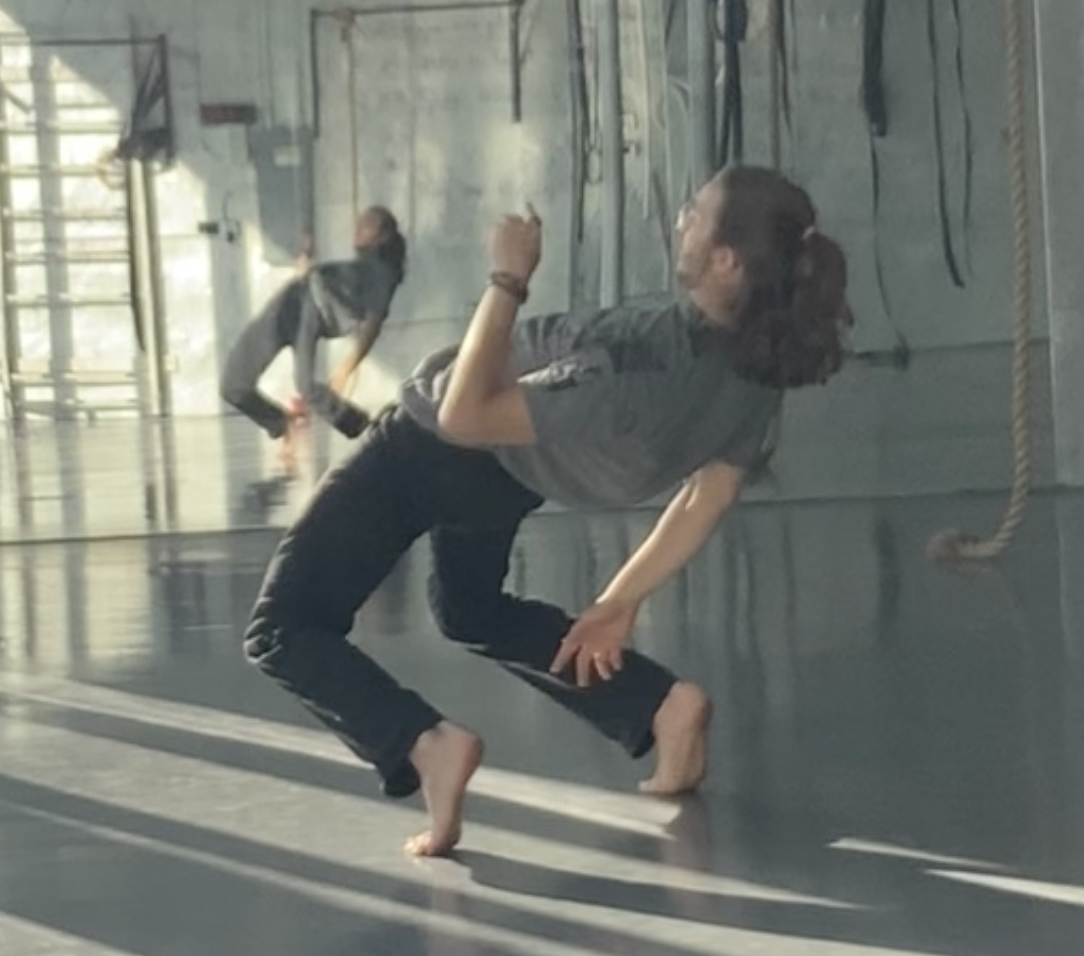
Improvisation as Immersion
In "4000 weeks", Oliver Burkeman describes the observation that we have inadvertently begun to experience time as a "container", with activities then fitted to these containers. As a result, we lose the immersive quality that the pre-clock human lived in.
It's as if we breathe a different air from our not-so-distant ancestors. We don't notice, but there is a fundamental shift in our experience and lives.
But that immersive quality isn't lost; it's just hiding.
More the Same All Over
“Not disconnected by virtue of difference, nor connected by virtue of sameness, but connected by virtue of differences.”
The golem is a mythical being from Judaic folklore that has the form of a human, but is made of clay. This idea is simple, yet provocative: even though the form of the clay golem manifests differently across it (an arm over here, a leg over there), when you look deeper, when you look INTO it, you see a recursive reality – the same molecule, repeating throughout the structure. It is just more of the same, all over.
“More the same all over” has been a mantra for me since James casually mentioned it; after many months of not seeing each other due to lockdowns, he saw me practicing and made the enigmatic compliment that I “look more of the same all over”. He was referring to the fact that parts of the body had begun to seem less differentiated.
It is a consequence of an ever-expanding mapping of the geography of the limbs and joints – refining an understanding of each locale, learning the local language and then learning to translate between languages.
This is a case of the Goethian Unity, in which multiplicity arises from unity. If you look for the the true form of the Golem by eliminating the differences across the various manifestations, to find the “least common denominator”, you will find only… clay. The approach of eliminating differences across the variety to find the form eliminates the differentiation itself, which is necessary to take into account to really understand the phenomenon.
I may be a sack of differentiated organs, but those organs are the same thing, manifested differently, just like the Golem. Realizing they are not disconnected by virtue of difference, nor connected by virtue of sameness, but that they are connected by virtue of their differences.
This begins to represent a form of self-knowledge – to know my body beyond anatomy and physiology, and into form and function (arguably, the domain of semiotics). I wouldn’t have guessed that a practice would take me in the direction of self-knowledge, and yet, I find that the only self-knowledge I have is acquired through practice. The rest is… fodder to sustain me long enough to keep growing.
(In more modern / non-Biblical tradition, Golem is a literary motif. As the critic Adam Kirsch put it, “The golem story addresses our post-Holocaust fear of insecurity, our Zionist admiration of and guilt about strength, and our 21st-century obsession with technology and the ways it can go awry.”
But strip it of the meanings it has acquired over the years, and reduced to its simple origins, the first manifestation of the concept… it points to a cross-cultural ontological concept: the shapeless mass, the unfinished matter. And shapeless mass is homogenous in nature. The golem is an unformed and amorphous thing, the material and just the material. True reductionism achieved.)
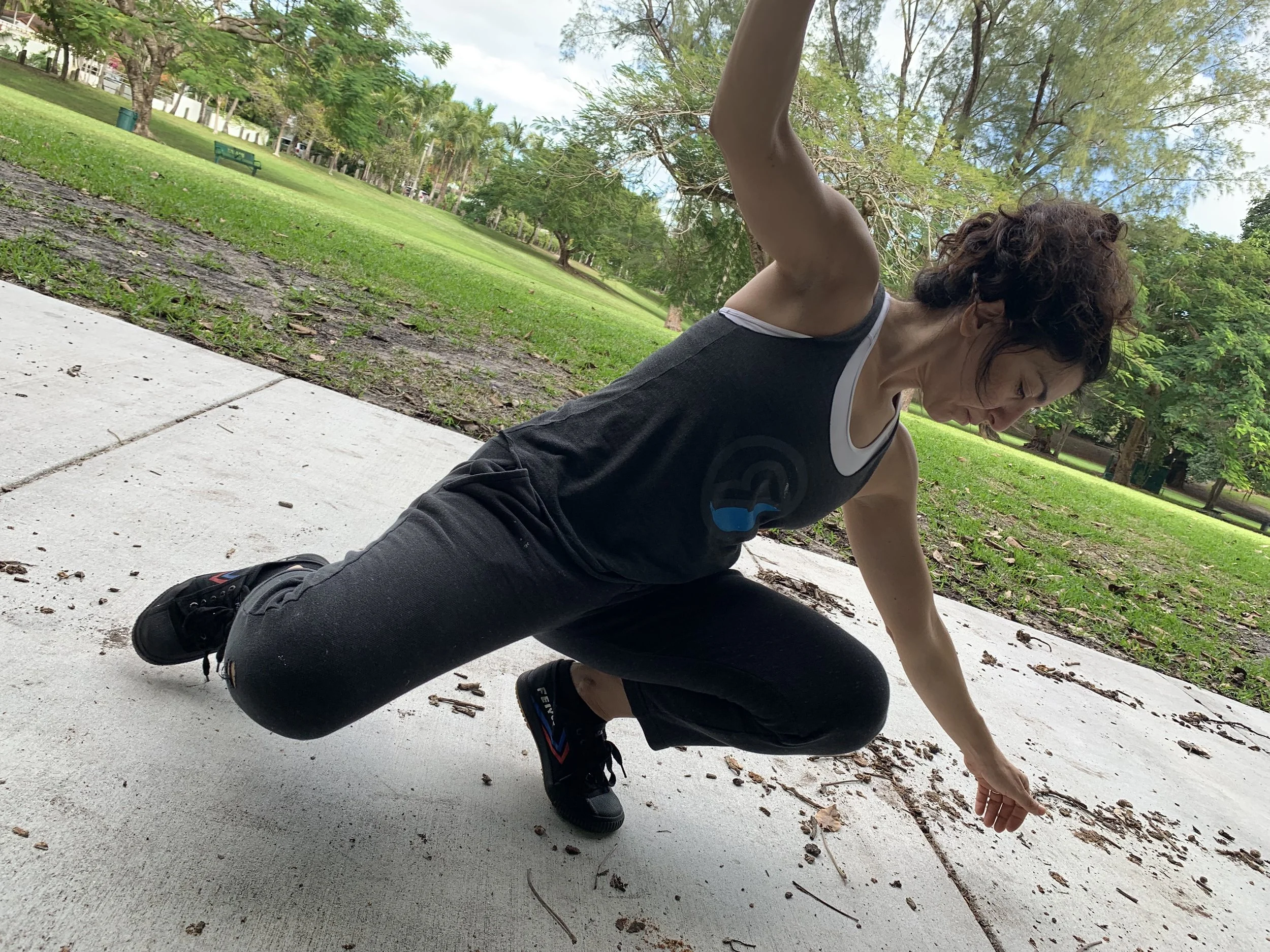
A lesson about adaptability
A common lesson in parenting and practice: adaptability means not insisting.
We learn about adaptability from our daughter. What worked yesterday doesn't work today. The brilliant words that struck the right chord a moment ago fall flat. So what? Do you insist on it?
Don't be insistent - when the window of opportunity closes, don't try to smash it open. There was a moment of openness about feelings, but then distraction happened... there is no rewind button there.
If you "fight" for your balance, like some kind of war against gravity, you can't win. But if you trust gravity to do its job...
How long until you realize you need to change your approach, your mindset?
Insisting is NOT listening. And listening is the heart of adaptability.